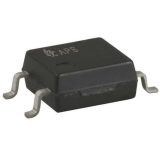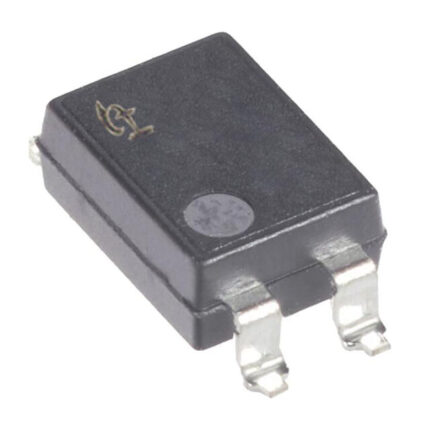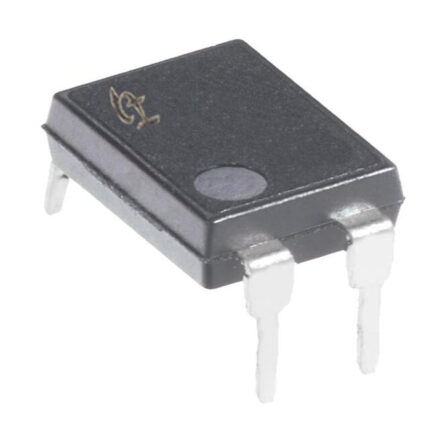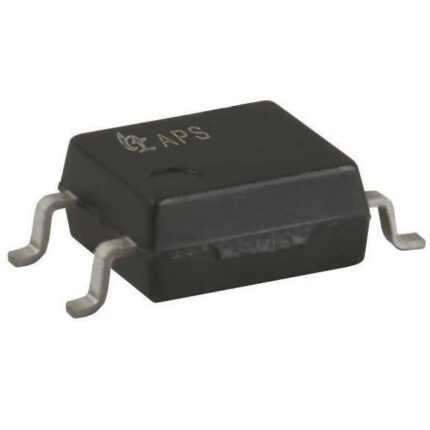










Optical relay is an electronic switch component that uses optical signals for control and signal transmission.
Due to its outstanding electrical isolation performance, fast response time, and low power consumption, it is widely used in fields such as automation control, communication, home appliances, and industrial equipment.
With the advancement of technology, the application scope of optical relays continues to expand, and market demand is also increasing day by day.
Proper selection is crucial to ensure that optical relays can meet the specific application requirements.
This article will explore in detail the working principle, main parameters, selection considerations, and application fields of optical relays.
1、 Working principle of optical relay.
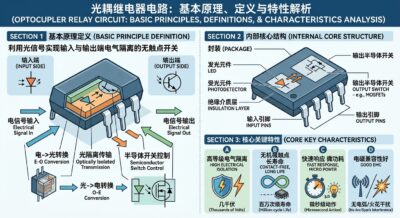
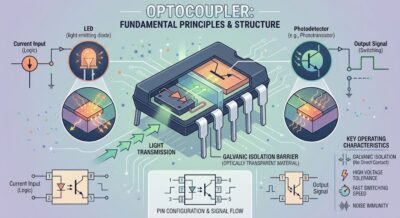
The basic structure of a light relay usually consists of light emitting diodes (LEDs), photosensitive elements (such as phototransistors or photoelectric field-effect transistors), and relay components.
Its working principle is as follows:.
Input signal activation: When the control current passes through the LED of the light relay, the LED lights up and emits a light signal.
Light signal transmission: The light signal emitted by the LED is transmitted to the photosensitive element through a transparent isolation medium (such as plastic).
Signal conversion: After receiving the light signal, the photosensitive element converts it into an electrical signal to drive the switch of the relay.
Relay action: After receiving an electrical signal, the relay completes the switch control of the circuit, thereby achieving control of the load.
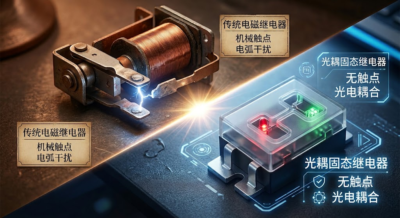
The electrical isolation characteristics of optical relays enable them to effectively protect low voltage circuits and ensure safe operation between high and low voltage circuits.
Domestic optocoupler manufacturer – Advanced Optical Semiconductor.

2、 Main parameters of optical relay.
When selecting optical relays, the following key parameters should be considered:.
Switching voltage and current: The rated switching voltage and current of the photoelectric relay are important reference indicators when selecting.
It is necessary to ensure that the rated value of the selected optical relay is higher than the voltage and current that may be encountered in practical applications to prevent equipment damage.
Response time: The response time of a photoelectric relay usually refers to the time required for the input signal to change and the output signal to change.
The shorter the response time, the better the performance of the optical relay in fast switching applications.
Electrical isolation voltage: Electrical isolation voltage refers to the isolation capability provided by optical relays between high and low voltage circuits.
When selecting, it should be ensured that the electrical isolation voltage meets the actual application requirements to avoid potential electrical breakdown.
Operating temperature range: Optical relays typically operate within a specific temperature range.
Understanding the operating temperature range of the selected optical relay and ensuring its adaptability to temperature changes in the environment is crucial.
Lifespan and durability: The service life of a photoelectric relay directly affects the maintenance cost and reliability of the system, usually expressed in terms of the number of switches or working time.
When selecting, choose optical relays with longer lifespan to reduce replacement frequency.
Control voltage: The control voltage of the photoelectric relay should match the voltage of the control circuit to ensure its normal operation and maintain the expected performance.
3、 Precautions for selecting optical relays.
When selecting optical relays, there are several key considerations to consider:.
Application requirement analysis: Firstly, a detailed analysis of the application scenario is required to clarify the actual working conditions, load types, control signal characteristics, and other information in order to select the appropriate optical relay model.
Environmental factors: Environmental factors have a significant impact on the performance of optical relays.
For example, environments with high temperature, high humidity, dust, or strong electromagnetic interference can all affect the performance of optical relays.
Therefore, when selecting, these factors should be considered and products suitable for specific environments should be chosen.
Load type: Different types of loads (such as resistive loads, inductive loads, or capacitive loads) have different requirements for optical relays.
When selecting, it is necessary to ensure that the selected optical relay can adapt to the load characteristics and avoid faults caused by load fluctuations.
Compatibility: In systems where multiple components work together, it is crucial to ensure that the control and signal interfaces of the optical relay are compatible with other components to avoid malfunctions caused by incompatibility.
Cost and performance: When selecting, not only should the performance of the optical relay be considered, but also the cost factor should be comprehensively taken into account.
Reasonably select according to the budget to ensure cost control while meeting functional requirements.
Supplier selection: Choosing a reputable supplier or brand can ensure the quality and after-sales service of the optical relay.
Understanding the technical support and service network of suppliers is also helpful for subsequent technical consultation and troubleshooting.
4、 Application Fields of Optical Relays.
Optical relays are widely used in multiple fields, and the following are some of the main application scenarios:.
Automation control system: In factory automation, robot control, and intelligent manufacturing, optical relays are used to control various motors, sensors, and actuators, providing fast and reliable signal switching and control.
Communication equipment: In communication equipment, optical relays are used to switch and isolate signals, ensuring the stability and safety of communication signals.
Power system: Optical relays can be used for switch control in power distribution systems, providing electrical isolation and safety protection to prevent equipment damage and personal safety accidents.
Home appliance control: Optical relays are widely used in home appliances such as air conditioners, refrigerators, washing machines, etc., to achieve control and status indication of power supply.
Medical equipment: In medical equipment, optical relays are used for signal transmission and control, ensuring the reliability, safety, and stability of the equipment.
Smart Home: In smart home systems, optical relays are used to achieve remote control and automated operations, allowing users to conveniently manage household devices.
5、 The Future Development Trend of Optical Relays.
With the continuous advancement of technology, the technology of optical relays is also constantly evolving, and the future development trends mainly include:.
Integration and miniaturization: With the trend of miniaturization of electronic devices, optical relays are also developing towards smaller and higher integration to meet the needs of compact devices.
Intelligent control: With the development of the Internet of Things and smart home technology, optical relays will be more closely integrated with intelligent control systems to achieve more efficient and flexible automation control.
Application of new materials: The application of new semiconductor materials will enhance the performance of optical relays, especially in high frequency, high temperature, and high voltage applications.
Environmental Protection and Energy Efficiency: With the global emphasis on environmental protection and energy efficiency, the design and manufacturing of optical relays will pay more attention to the use of low-energy and environmentally friendly materials to meet the requirements of sustainable development.
Market demand growth: With the rapid development of emerging fields such as industrial automation, intelligent manufacturing, and 5G communication, the market demand for optical relays will continue to grow, driving continuous innovation and progress in related technologies.
VI.
Summary.
As an important electronic component, optical relays play an indispensable role in modern electronic devices due to their excellent electrical isolation performance and fast response capability.
When selecting optical relays, multiple factors need to be considered comprehensively, including working principles, main parameters, application requirements, environmental factors, and load types.
By careful analysis and reasonable selection, the performance and reliability of optical relays in practical applications can be ensured, providing strong support for various electrical control systems.
With the continuous advancement of technology and the growth of market demand, the application prospects of optical relays will be even broader, and they are expected to continue to play an important role in the future electronics industry.
Похожие посты

Application of optocoupler in security and communication systems – APSEMI

Behind-the-scenes contributor in the wave of AI computing power: The key application and evolution of optocoupler relays in hardware architecture

Characteristic classification and advantage analysis of optocoupler relays-APSEMI
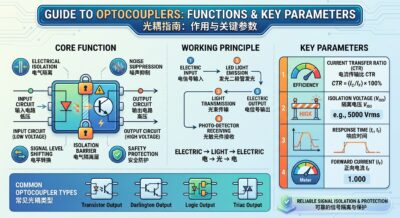
What are the functions and key parameters of optocouplers in electronic circuits?-APSEMI
Types of Optocouplers: Selection and Replacement-APSEMI
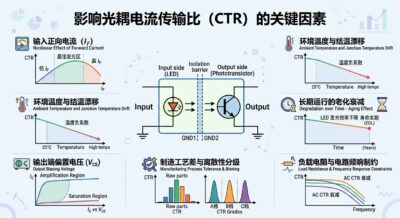
What factors affect the Current Transfer Ratio (CTR) of optocouplers?-APSEMI
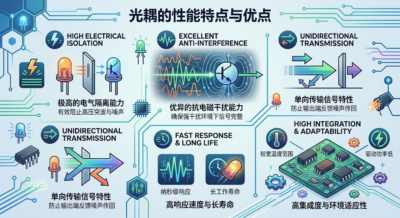
Performance Characteristics and Advantages of Optocouplers
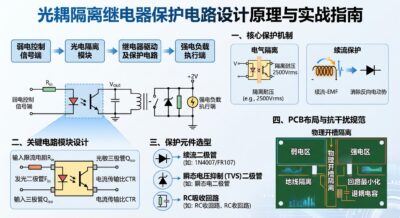
Design Principles and Practical Guide for Optocoupler-Isolated Relay Protection Circuits-APSEMI

Photorelay Technology and Selection Strategies-APSEMI
Basic principle definition and characteristics of optocoupler relay circuit-APSEMI
In-depth Analysis of Optocoupler (Optoelectronic Coupler): Core Application Scenarios
Optocoupler Solid-State Relays vs. Traditional Relays: An Analysis of Key Differences