









In modern electronic systems, switching power supplies are widely used due to their high efficiency, small size, and light weight. Switching power supplies utilize optocouplers to achieve feedback control, ensuring the stability of the output voltage and the reliability of the power supply. This article will provide an in-depth analysis of the optocoupler circuit in a classic switching power supply, including its working principle, applications, design considerations, and future improvement directions.
I. Basic Concepts of Switching Power Supplies
A switching power supply is a power supply that converts electrical energy by controlling the on/off state of switching elements. Its working principle is based on high-frequency switching technology, enabling the conversion of input voltage into the desired output voltage with high efficiency. The main components of a switching power supply include switching elements (such as MOSFETs), inductors, capacitors, and control circuitry.
In switching power supplies, feedback control is crucial for ensuring stable output voltage. The optocoupler, as the core component for implementing feedback, provides electrical isolation, ensuring the safety between the control circuit and the high-voltage circuit.
II. Working Principle of Optocouplers
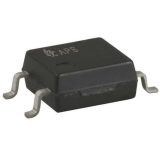
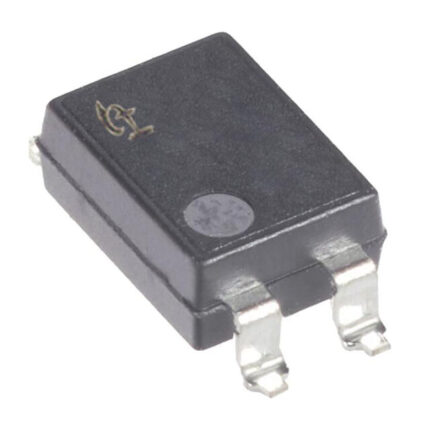
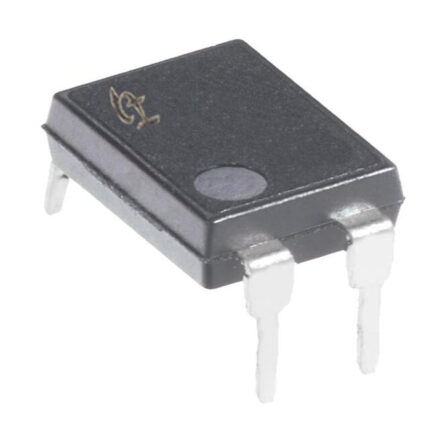
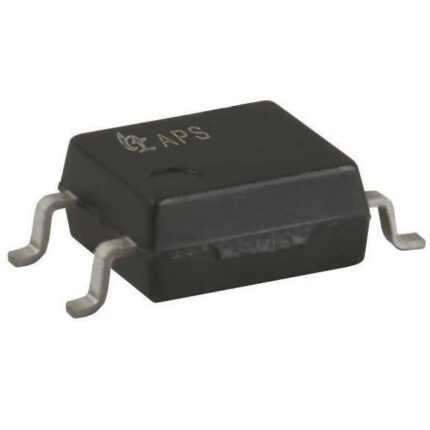
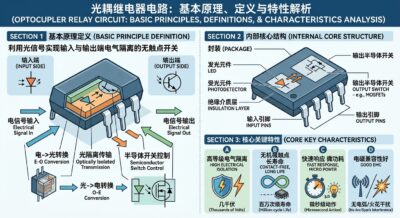
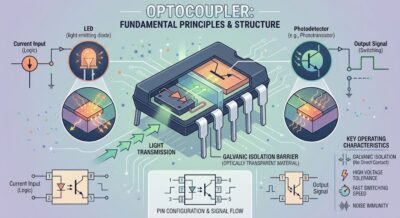
An optocoupler consists of a light-emitting diode (LED) and a photodetector. Its working principle is as follows:
Signal Input: When current flows through the LED at the input terminal, the LED emits light, forming a light signal.
Optical Signal Transmission: The optical signal propagates through a transparent medium (such as air or plastic encapsulation), and the photodetector receives the optical signal.
Signal Output: The photodetector converts the optical signal back into an electrical signal and outputs it to the control circuit.
This method achieves electrical isolation between input and output, allowing the control circuit to operate safely when the switching power supply is operating under high voltage.
III. Optocoupler Circuit Design in Classic Switching Power Supplies
In classic switching power supplies, optocoupler circuits are typically used to implement feedback control, ensuring stable output voltage. The following is a typical optocoupler circuit composition and its operational analysis.
1. Circuit Composition
A typical optocoupler feedback circuit includes the following parts:
Input Circuit: Provides input current to the optocoupler LED, typically including a current-limiting resistor to prevent LED damage from overcurrent.
Optocoupler: Converts the input signal into an optical signal and provides electrical isolation.
Output Circuit: The output of the photodetector is connected to the control circuit, typically a PWM controller or switching control module.
Feedback Network: The feedback network feeds the output voltage back to the optocoupler circuit, forming a closed-loop control.
2. Working Process
During operation, the control circuit of the switching power supply compares the output voltage with a reference voltage to generate a control signal. This control signal drives the LED of the optocoupler through the input circuit. When the output voltage is higher than the set value, the control circuit reduces the LED drive current, lowers the optocoupler output signal, thereby adjusting the conduction time of the switching element and reducing the output voltage. When the output voltage is lower than the set value, the LED drive current increases, the optocoupler output signal strengthens, and the control circuit increases the conduction time of the switching element, increasing the output voltage.
This feedback mechanism ensures that the switching power supply maintains a stable output voltage under different load conditions.
IV. Advantages and Challenges of Optocoupler Circuits
Optocoupler circuits have significant advantages in classic switching power supplies, but they also face some challenges.
1. Advantages
Electrical Isolation: Optocouplers can provide electrical isolation up to several kilovolts, ensuring safe isolation between the control circuit and high-voltage loads and reducing the risk of electric shock.
Anti-interference Capability: Optocoupler circuits have good anti-electromagnetic interference capabilities and can operate stably in complex electromagnetic environments.
High Efficiency: Optocoupler circuits can quickly respond to feedback signals, ensuring rapid adjustment of the switching power supply under different loads and improving efficiency.
2. Challenges
Temperature Sensitivity: The performance of optocouplers is affected by temperature. Excessive temperature may cause performance degradation, affecting power supply stability.
Aging Issues: The LED component of the optocoupler may age after prolonged use, leading to a weakened output signal and affecting feedback accuracy.
Gain Inconsistency: Different batches of optocouplers may exhibit gain inconsistencies, affecting feedback stability.
V. Applications of Optocoupler Circuits in Switching Power Supplies

Optocoupler circuits play a crucial role in various applications of switching power supplies, including:
1. Switching Power Supply Adapters
In power adapters for various electronic devices, optocoupler circuits are used to achieve efficient voltage feedback control, ensuring normal operation of the equipment under various load conditions.
2. DC-DC Converters
Optocoupler circuits are widely used in DC-DC converters, effectively regulating voltage and suitable for LED drivers, battery charging, and other applications.
3. Industrial Automation
In industrial equipment, optocoupler circuits achieve safe isolation between the control system and high-voltage equipment, ensuring stable equipment operation.
4. Medical Equipment
Medical equipment has extremely high requirements for power supply stability and safety. Optocoupler circuits in such equipment can effectively prevent the impact of high voltage on the control system, ensuring patient safety.
VI. Design Considerations for Optocoupler Circuits
When designing optocoupler circuits for switching power supplies, the following aspects need to be considered:
1. Selecting a Suitable Optocoupler
When selecting an optocoupler, parameters such as its current transfer ratio (CTR), response speed, and operating temperature range need to be considered to ensure it meets specific application requirements.
2. Feedback Network Design
When designing the feedback network, the feedback resistor and reference voltage need to be selected appropriately to ensure the accuracy and stability of the feedback. An excessively large feedback resistor may slow down the response speed, while an excessively small resistor may lead to system instability.
3. Temperature Management
When designing the circuit, the operating temperature range of the optocoupler needs to be considered, and a reasonable heat dissipation layout needs to be implemented to ensure that the optocoupler operates within a safe temperature range, extending its service life.
4. Testing and Verification
After completing the circuit design, thorough testing and verification are necessary to ensure the optocoupler circuit operates stably under different operating conditions and meets design requirements.
VII. Future Development Directions
With technological advancements, the technology of optocoupler circuits for switching power supplies is constantly evolving. Future directions may include:
1. High-Performance Optocouplers
More high-performance optocouplers will emerge in the future. These products will possess higher current transfer ratios and faster response speeds to meet the needs of next-generation switching power supplies.
2. Integrated Design
With the development of integrated circuit technology, optocouplers may be integrated with other circuits to form more compact solutions, improving system integration.
3. New Material Applications
The use of new materials will further enhance the performance of optocouplers, especially their stability under high-frequency operation and high-temperature environments.
4. Intelligent Control
Combined with intelligent control technology, future optocoupler circuits will implement more complex control strategies in their feedback mechanisms, improving the system’s intelligence level.
VIII. Conclusion
Optocouplers play an indispensable role in classic switching power supplies, ensuring power supply safety and stability by providing electrical isolation and signal feedback. Although optocouplers face some challenges, their advantages and wide application ensure their continued importance in power supply design. With continuous technological advancements, optocouplers will usher in new development opportunities in the switching power supply field, providing strong support for the efficient and safe operation of electronic equipment. Designers should focus on improving the performance and expanding the applications of optocouplers in future designs to adapt to the evolving needs of electronic technology.
Related posts

Application of optocoupler in security and communication systems – APSEMI

Behind-the-scenes contributor in the wave of AI computing power: The key application and evolution of optocoupler relays in hardware architecture

Characteristic classification and advantage analysis of optocoupler relays-APSEMI
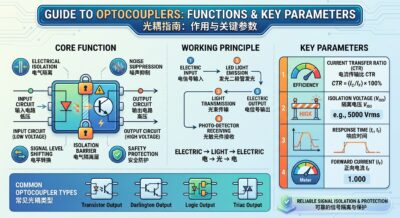
What are the functions and key parameters of optocouplers in electronic circuits?-APSEMI
Types of Optocouplers: Selection and Replacement-APSEMI
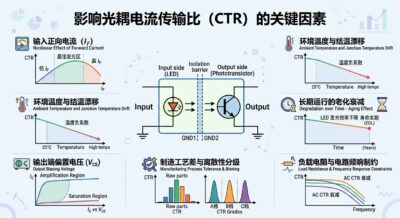
What factors affect the Current Transfer Ratio (CTR) of optocouplers?-APSEMI
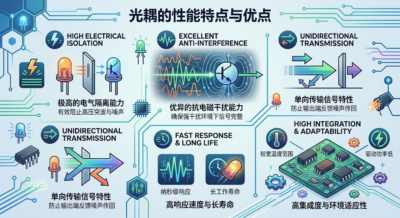
Performance Characteristics and Advantages of Optocouplers
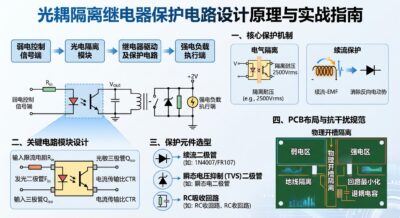
Design Principles and Practical Guide for Optocoupler-Isolated Relay Protection Circuits-APSEMI

Photorelay Technology and Selection Strategies-APSEMI
Basic principle definition and characteristics of optocoupler relay circuit-APSEMI
In-depth Analysis of Optocoupler (Optoelectronic Coupler): Core Application Scenarios
Optocoupler Solid-State Relays vs. Traditional Relays: An Analysis of Key Differences